Tax returns
What to bring to your tax return appointment
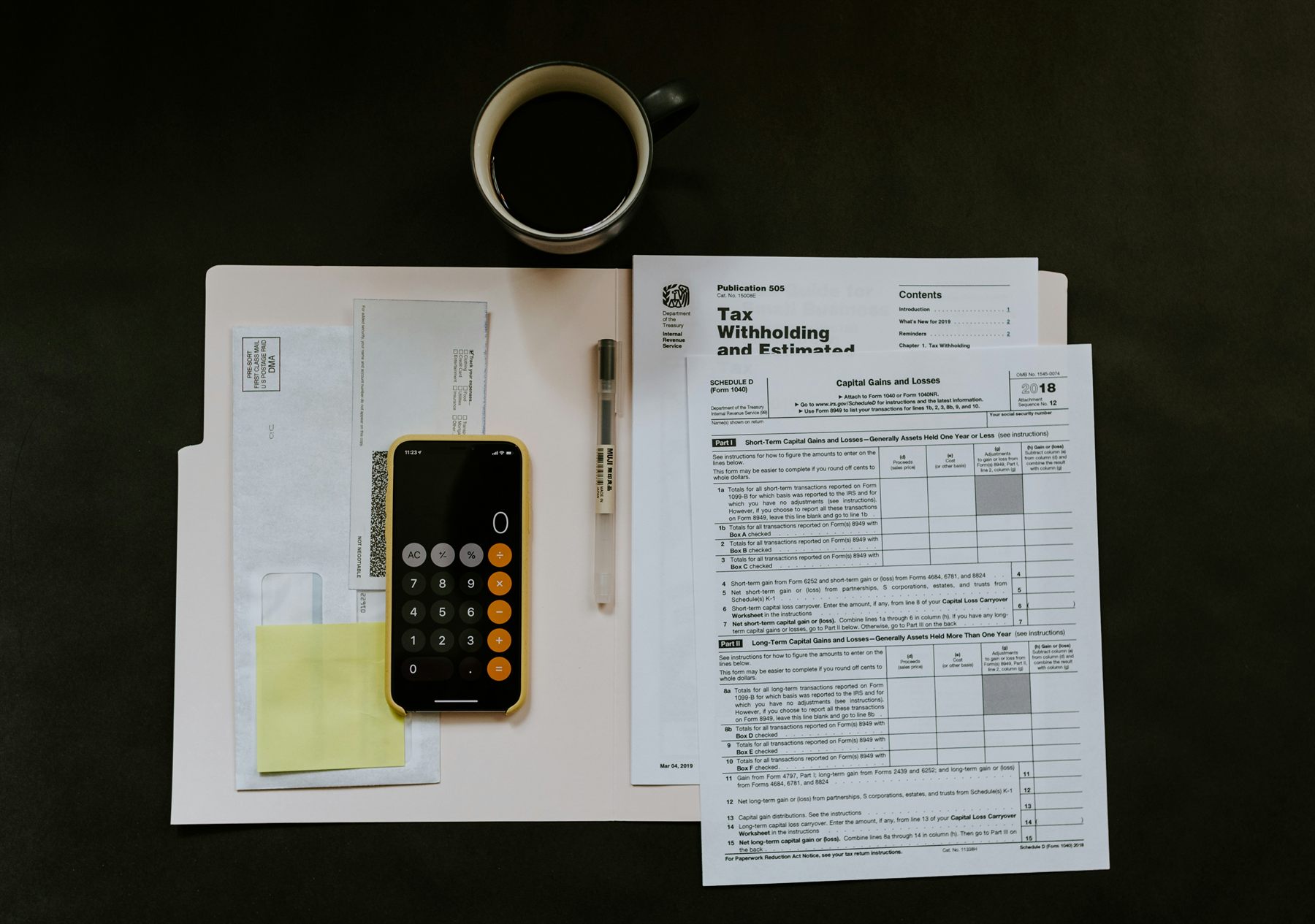
A good tax appointment is mostly won before you walk in the door. The ATO pre-fills a lot of income data now, but pre-fill is often late, sometimes incomplete, and it never captures your deductions. What you bring is what turns a rushed lodgement into an accurate one.
Why "the ATO already has it" is only half true
By the time you lodge, the ATO has usually collected your salary income statement, bank interest, dividends, and private health insurance details from the organisations that report them. That is genuinely useful — but the timing is the catch. Employers finalise income statements through Single Touch Payroll, and banks and funds report separately, often well into July or August. Lodging too early on incomplete pre-fill is one of the most common reasons a return has to be amended later.
The bigger gap is deductions. No one reports to the ATO what you spent on tools, travel between work sites, a home office, professional memberships, or self-education. If you do not bring it, it does not go in the return. That is where a careful appointment adds real value.
Income: the documents that confirm what you earned
Gather everything that represents money you received during the financial year, even if you think it is already pre-filled. Cross-checking against your own records is how errors get caught.
- Income statement or payment summary from each employer (make sure it shows as "Tax ready" in myGov).
- Bank and term deposit interest, including joint accounts.
- Dividend statements and managed fund distribution (AMMA) statements.
- Government payments such as JobSeeker, paid parental leave, or a pension.
- Side income: rideshare, delivery, freelancing, online sales, or cash work — this is assessable even without a payment summary.
- Foreign income, foreign pensions, or income from overseas investments.
Deductions: the three-part test and the records that back it
A work-related expense is generally deductible when you paid for it yourself and were not reimbursed, it directly relates to earning your income, and you have a record to prove it. Bring receipts and notes grouped by category rather than in a single pile.
- Vehicle use for work (not the normal home-to-work commute) — a logbook, or the kilometres travelled if using the cents-per-kilometre method, which is capped at 5,000 business kilometres.
- Working from home — a record of hours worked at home, plus running-cost bills if you use the actual-cost method.
- Tools, equipment, and technology used for work; higher-cost items may be claimed over time through depreciation.
- Self-education and professional development with a genuine connection to your current role.
- Union fees, professional memberships, subscriptions, and income protection insurance premiums.
- Donations of $2 or more to registered deductible gift recipients, and last year’s tax agent fee.
Good to know — If your total work-related deduction claims are $300 or less, you may not need written evidence for each item — but you still need to have actually spent the money and be able to explain how it relates to your work.
Property, investments, and capital gains
These areas carry the most detail and the longest record-keeping obligations, so it helps to have summaries ready rather than a year of loose statements.
- Rental properties: the annual statement from your agent, loan interest statements, and invoices for repairs, rates, water, strata, and insurance.
- Shares and managed funds: buy and sell contract notes, and distribution statements showing franking credits.
- Crypto and other assets: dates, amounts, and values for each disposal, since each sale can trigger a capital gain or loss.
- Purchase and sale records for anything sold during the year, so any capital gain can be worked out correctly.
Life changes that quietly change your return
Some of the most-missed items are not receipts at all. A private health insurance statement determines whether the Medicare levy surcharge applies. A new HELP or HECS balance affects your repayment. A change in spouse income, a new dependent, or a period without private cover can all move the final figure.
If any of these changed during the year, mention them at the start of the appointment. It is far easier to build them into the return than to unpick them afterwards.
Questions
Tax returns questions
Common questions on this topic. Contact the office to discuss your circumstances.
Should I wait before lodging my tax return?
It is usually worth waiting until your income statement shows as "Tax ready" and your bank interest and dividends have been reported, which often takes until late July or into August. Lodging on incomplete pre-fill data is a common cause of amendments.
What records do I need to claim a deduction?
Generally you need to have paid for the expense yourself without reimbursement, show it relates to earning your income, and keep a record such as a receipt, invoice, or logbook. The office can confirm what applies to your role.
Do I need to declare income from a side hustle or cash job?
Yes. Income from rideshare, delivery, freelancing, online sales, and cash work is assessable even if no payment summary is issued. Keeping a simple record of what you received during the year makes this straightforward.
Keep reading

Tax records
How to organise your deduction records before tax time
The deduction that gets denied is usually a records problem, not an eligibility problem. Here is how to sort yours so nothing legitimate is left out.
Read How to organise your deduction records before tax time
Rental property
Rental property tax records every owner should keep together
The value in rental records sits in two places: not missing deductions spread across many providers, and getting the repairs, improvements, and capital gains records right from day one.
Read Rental property tax records every owner should keep together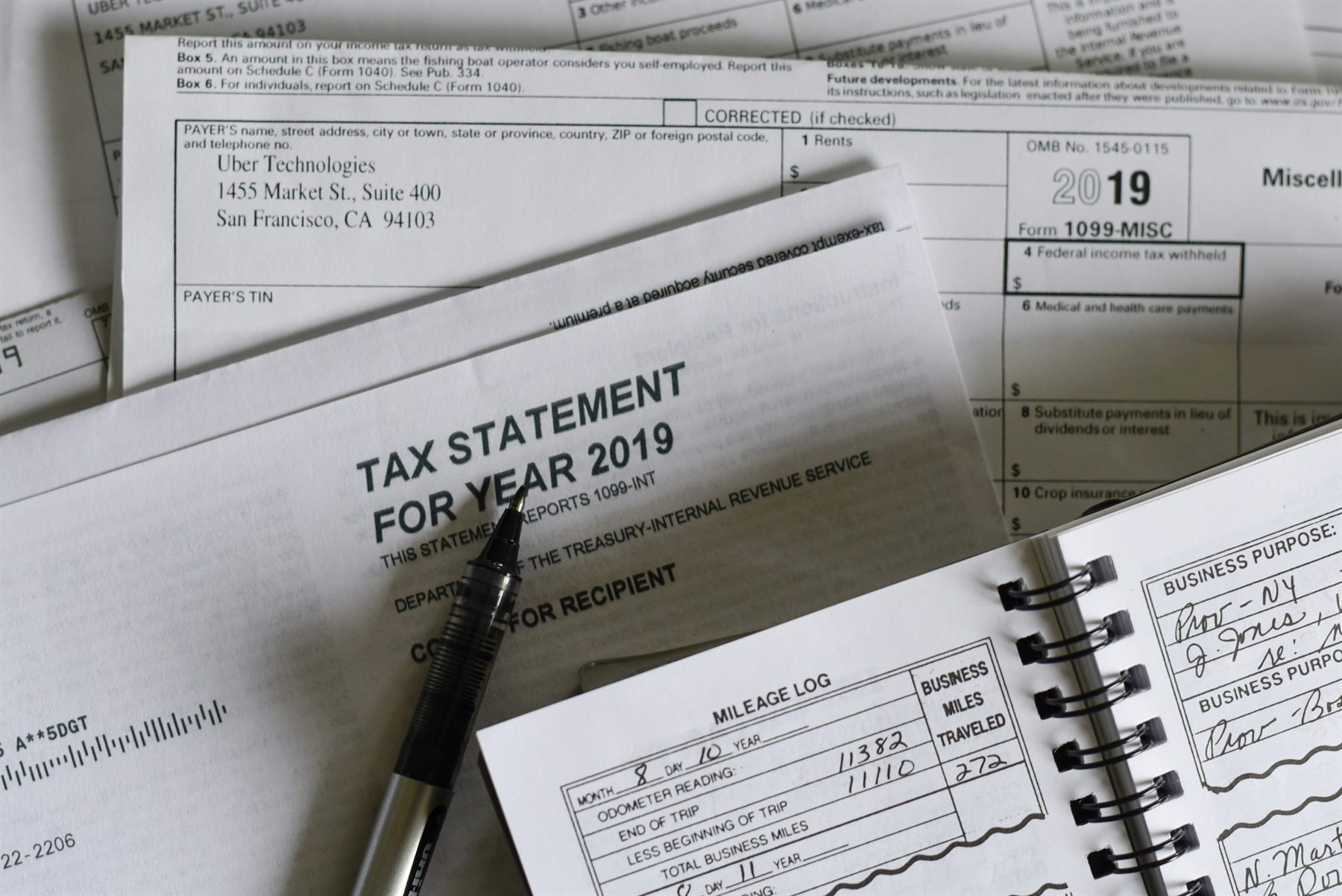
ATO support
What to do when you receive a letter from the ATO
Most ATO letters are routine. The worst outcomes come from ignoring them or responding without records — here is how to read one calmly and act.
Read What to do when you receive a letter from the ATO